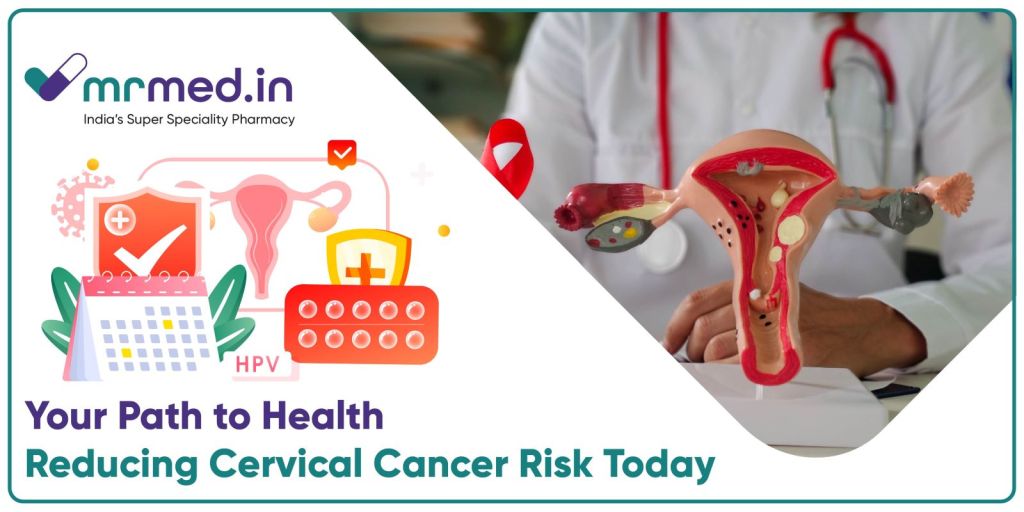
Most of us know that healthy habits like eating well and staying active are good for our hearts and overall well-being. But did you know that these same lifestyle choices can also lower your risk of certain types of cancer, including cervical cancer?
Cervical cancer is one of the most preventable types of cancer in women. While regular screening and vaccination play a major role in protection, simple everyday lifestyle changes can also make a big difference. In this article, we’ll explore how healthy habits, awareness, and preventive care can help reduce your risk of cervical cancer in ways that are practical, affordable, and easy to start today.
What is cervical cancer and why does it happen?
Cervical cancer affects the lower part of the uterus, called the cervix. This cancer is mainly caused by a long-lasting infection with a virus called HPV, or human papillomavirus. It is usually passed from person to person through close skin contact, including sexual activity.
Most of the time, HPV goes away on its own without causing harm. But if it stays in the body for many years, it can slowly damage the cells in the cervix. If this is not noticed or treated, it may lead to cancer later on.
That’s why understanding the link between HPV and cervical cancer is important — and why both lifestyle and medical care are part of the prevention plan.
Which lifestyle habits can reduce the risk of cervical cancer?
Here are simple and practical steps that can help keep your cervix healthy:
1. Protect yourself with the HPV vaccine
One of the best ways to avoid problems caused by HPV is to get vaccinated with the HPV vaccine. The vaccine helps your immune system fight off the virus before it can do any damage.
In India, the Gardasil Injection is commonly used for this purpose. It’s recommended for girls and young women, but adults up to age 45 may also benefit. If you’re unsure, your doctor can help decide if this vaccine is right for you.
2. Go for regular cervical health checkups
Medical tests such as Pap smears and HPV screening can spot early changes in the cervix long before they become serious. These tests are quick and painless, and they can be life-saving.
Even if you feel fine, regular checkups are important — especially for women over the age of 25. The earlier something unusual is found, the easier it is to treat.
3. Avoid tobacco in all forms
Smoking doesn’t just affect your lungs — it also weakens your body’s natural defenses. Women who smoke are more likely to have trouble clearing HPV infections, which increases their cancer risk.
If you smoke, consider cutting down or quitting. Even reducing tobacco exposure (like secondhand smoke) is a step in the right direction.
4. Practice safe and respectful relationships
Since HPV spreads through close contact, using protection during sexual activity can lower your chances of getting the virus. Staying in mutually monogamous relationships (where both partners only have each other) also helps reduce risk.
It’s also helpful to have open conversations about sexual health with your partner — this builds trust and encourages safety.
5. Strengthen your immune system with a good diet
A well-balanced diet helps your body stay strong and fight infections naturally. Choose foods that are rich in vitamins, fiber, and antioxidants — these support your immune system and help repair cells.
Try adding:
- Fresh fruits like oranges, papaya, and guava
- Green vegetables such as spinach, methi, and broccoli
- Whole grains like brown rice and millets
- Nuts, seeds, and pulses for protein and healthy fats
Staying hydrated and avoiding junk food as much as possible will also keep your body functioning at its best.
6. Stay active and manage your weight
Being overweight can increase the risk of many health problems, including cervical cancer. Gentle exercise — even a 30-minute walk every day — helps keep your hormones in balance and supports your overall health.
You don’t need to join a gym or run marathons. Simple movement, done consistently, is what matters.
Can these steps fully prevent cervical cancer?
No single step can offer full protection, but when you combine healthy living with medical care, your risk goes down significantly.
In short:
- Medical tools like screening and vaccines protect you on the inside
- Lifestyle habits strengthen your body and immune system from the outside
Both are important, and both work better when done together.
Why are these changes especially important in India?
In India, cervical cancer is one of the most common cancers among women, especially in places with less access to healthcare. Many cases are found only when symptoms become serious, which makes treatment harder.
Thankfully, things are changing. Government programs are now offering free screening in some areas, and vaccines like the Gardasil Vaccine are being made more accessible.
But the biggest change starts at home — when women become aware of the risks and feel confident about taking care of their own health.
Final thoughts
Cervical cancer doesn’t happen overnight. It develops slowly over time and that gives us the chance to stop it before it begins. Whether it’s getting a vaccine, eating better, or going for regular checkups, every action you take helps protect your future.
You don’t need medical knowledge to make good health choices. Just start with what you can do today. Your body, your health, and your peace of mind are worth it.
 Cancer Care
Leave a comment