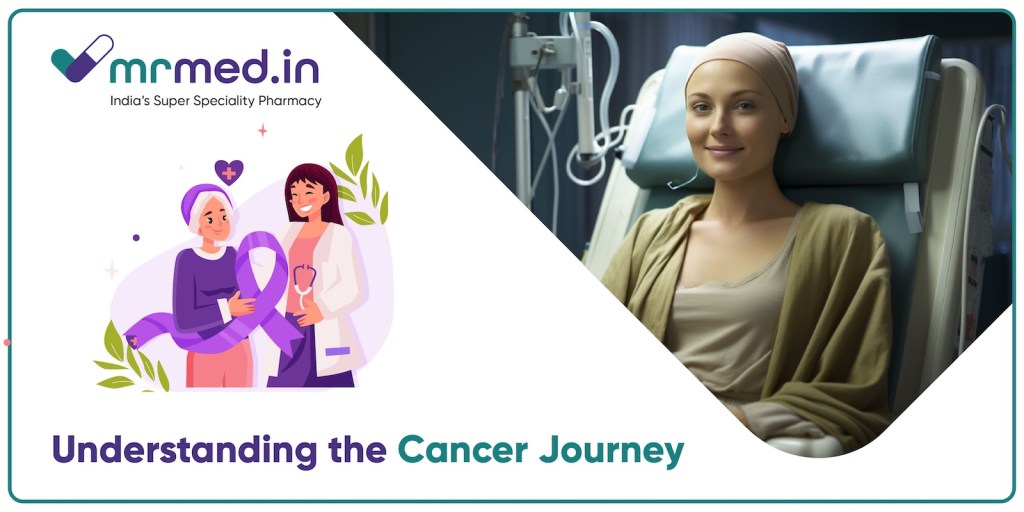
Cancer is one of the most daunting health challenges individuals and families face, and its impact stretches beyond just the physical aspects. The journey through cancer treatment is one filled with uncertainty, emotional strain, and complex medical care. Every cancer patient’s experience is unique, yet the emotional and physical toll is often similar.
Understanding the specific needs of cancer patients during their treatment journey can provide invaluable support and aid in managing the multiple facets of care—whether physical, emotional, or psychological.
What challenges do cancer patients encounter during their treatment?
When a person is diagnosed with cancer, their life is often turned upside down. The initial shock and overwhelming emotions quickly give way to a series of physical, emotional, and psychological challenges. Alongside medical treatment, understanding the patient’s needs and providing comprehensive support can significantly impact their overall well-being. Below are the key aspects to consider in addressing the needs of cancer patients during treatment:
Physical challenges:
- Fatigue and weakness: One of the most common and debilitating side effects of cancer treatment is extreme fatigue, making daily tasks and maintaining a normal routine difficult.
- Nausea and vomiting: Many cancer treatments, including chemotherapy, induce nausea and vomiting, requiring careful management with medications to alleviate these symptoms.
- Pain: Whether caused by the cancer itself or the side effects of treatment, managing pain is a critical part of cancer care. Pain management plans are essential to help patients maintain their quality of life.
- Loss of appetite: Cancer treatments often lead to a significant loss of appetite, which can affect a patient’s nutritional intake and overall health. This may require intervention from dietitians and medical professionals.
- Immunosuppression: Treatments like chemotherapy and radiation lower the body’s immune response, making patients more susceptible to infections and requiring strict hygiene and preventive care measures.
Emotional and psychological impact:
- Fear and anxiety: The diagnosis of cancer often brings about a deep sense of fear, uncertainty, and anxiety about the future and the effectiveness of treatment.
- Depression: The emotional toll of cancer can lead to depression, which requires timely intervention and support, whether through counselling, medication, or social support networks.
- Isolation: Patients may feel isolated from their normal life, family, and friends due to the frequency of hospital visits and the impact of their illness, highlighting the need for emotional support.
Why is support system important for cancer patients?
Cancer patients rarely face treatment alone. Loved ones often take on the role of caregivers, offering vital physical and emotional support throughout the process. Below are the key aspects of a caregiver’s role:
- Practical support: Caregivers assist with tasks such as driving to appointments, managing medication schedules, and helping with daily activities.
- Emotional support: They provide the essential emotional stability and encouragement needed to help patients cope with the challenges of their illness.
- Maintaining normalcy: Caregivers help preserve a sense of normal life for patients, offering companionship and understanding during treatment.
- Impact on treatment experience: A caregiver’s empathy and responsiveness can significantly enhance the patient’s overall experience and well-being.
- Caregiver stress: The caregiving role can be emotionally taxing, leading to stress and burnout. It’s important for caregivers to seek support and resources to manage their own health while caring for a loved one.
What is the role of speciality medicines in cancer treatment?
The development of speciality medicines has significantly advanced cancer care by providing personalised and precise treatments that reduce side effects and improve outcomes. However, challenges remain in ensuring these treatments are accessible to all patients. Key aspects include:
- Personalised treatments: Specialty medicines are customised to the genetic profile of an individual’s cancer, targeting the specific mechanisms that drive its growth.
- Minimised damage to healthy cells: Unlike traditional chemo, which can affect both healthy cells and cancerous cells, speciality medicines focus on cancer cells, reducing harm to healthy tissues.
- Immunotherapy: This innovative approach has shown promise in treating cancers that were previously difficult to manage, improving the body’s immune response to fight cancer.
- Targeted therapies: These therapies interfere with specific molecules involved in cancer cell growth, providing more effective treatments with fewer side effects.
- Challenges: Despite the promising results, the high cost and limited availability of speciality medicines may restrict access for some patients, making affordability and distribution key concerns.
Why is a holistic approach important in cancer care?
A holistic approach is vital in cancer care, addressing not only medical needs but also psychological, emotional, and social aspects. This ensures comprehensive support for patients. Key elements of holistic cancer care include:
- Multidisciplinary team: Oncologists, surgeons, nurses, dietitians, social workers, and mental health professionals work together to provide a well-rounded care plan.
- Comprehensive health management: This approach ensures that both physical symptoms and emotional concerns are managed effectively.
- Supportive environment: Family, friends, and cancer support groups play an important role in the patient’s healing journey.
- Online resources: Growing online communities and resources offer patients and caregivers the opportunity to share experiences, find support, and connect with others facing similar challenges.
Wrapping up
The journey through cancer treatment is an undeniably difficult and complex one. Understanding the unique and varied needs of cancer patients, both medical and emotional, is vital in ensuring they receive the right care and support. From the management of side effects with effective cancer medicines to the emotional strength offered by dedicated cancer caregivers, every aspect of care contributes to the overall treatment process. With the continuous advancement of speciality medicines and a comprehensive support network, cancer patients can face their challenges with hope and resilience.
 Cancer Care
Leave a comment